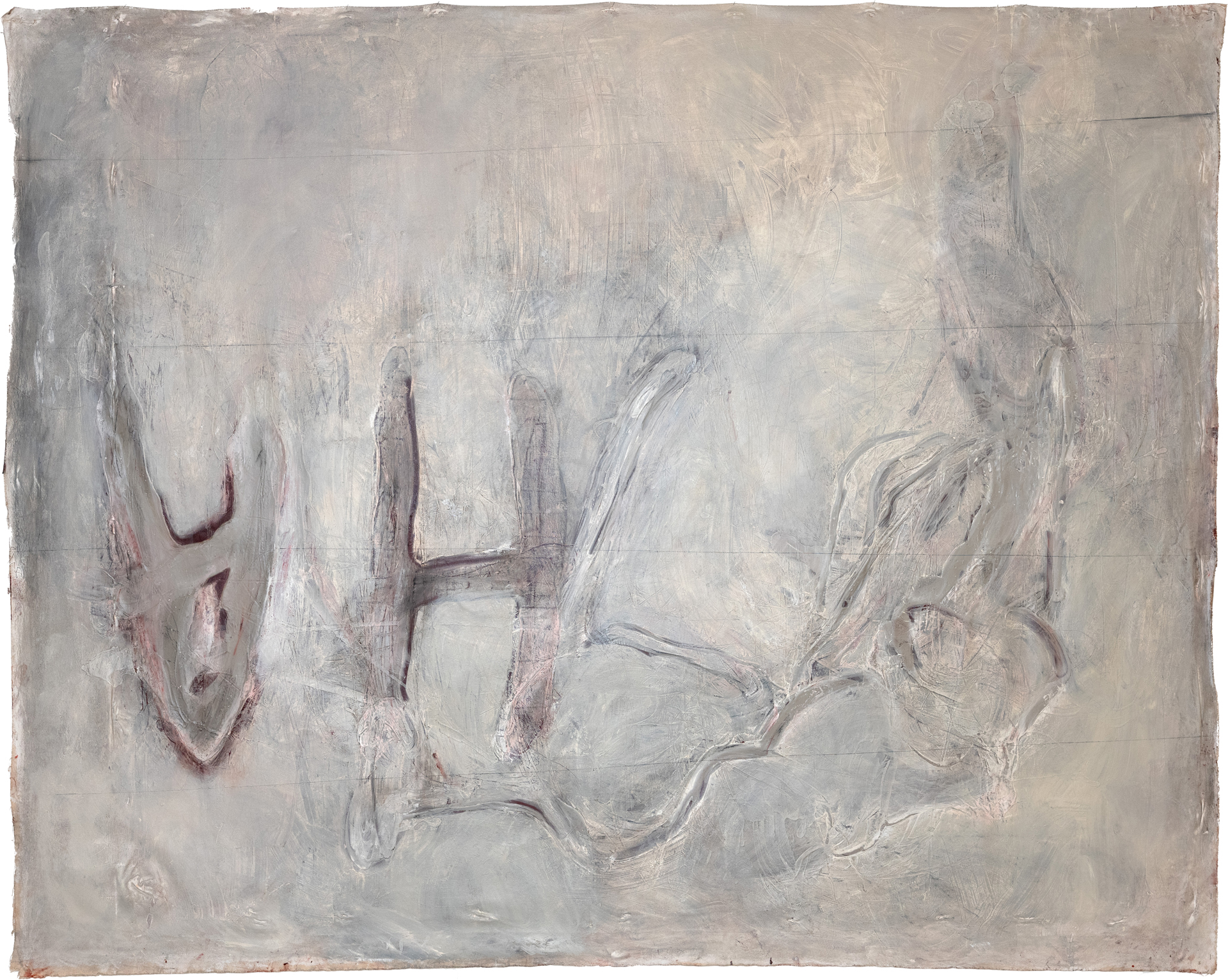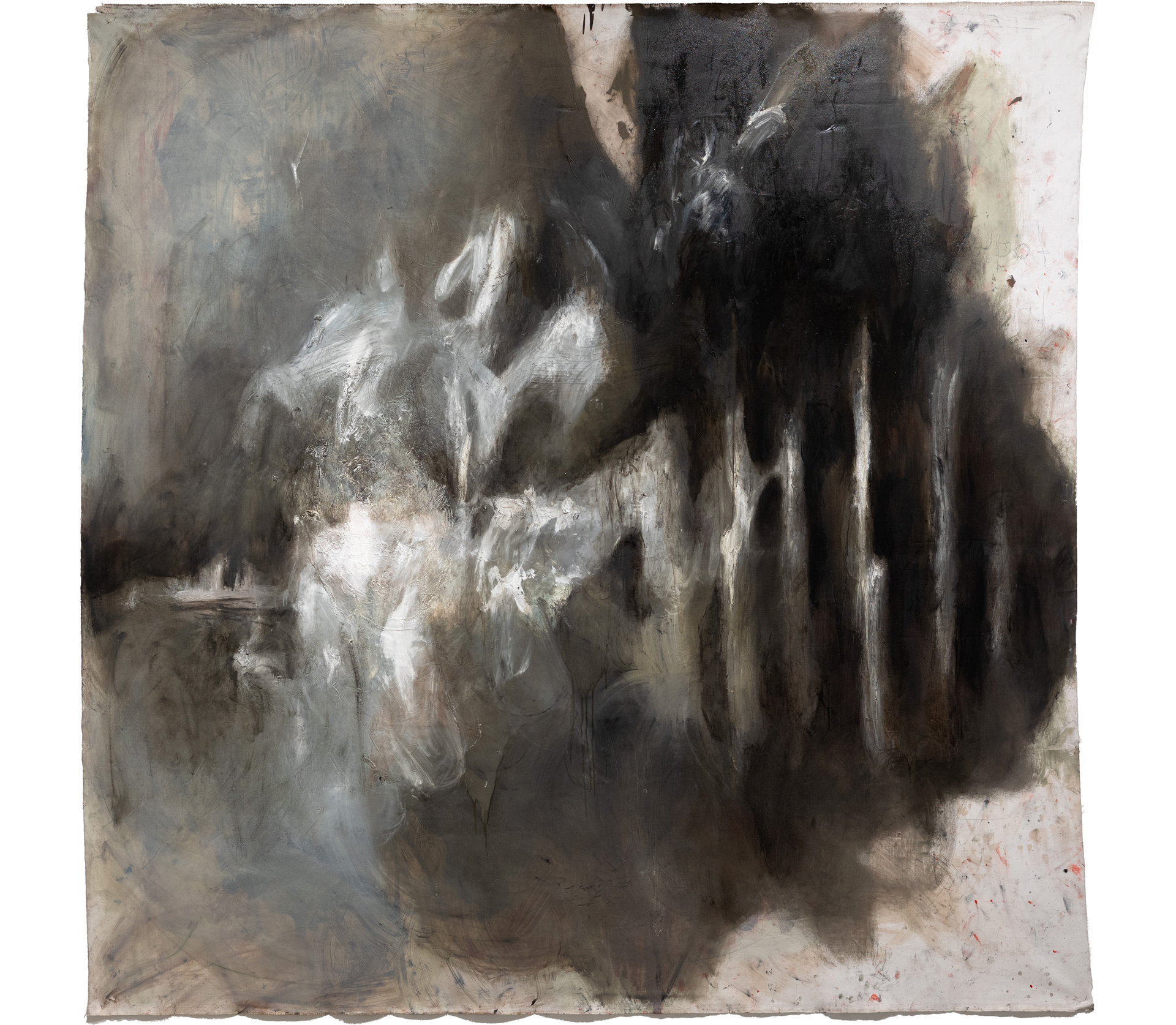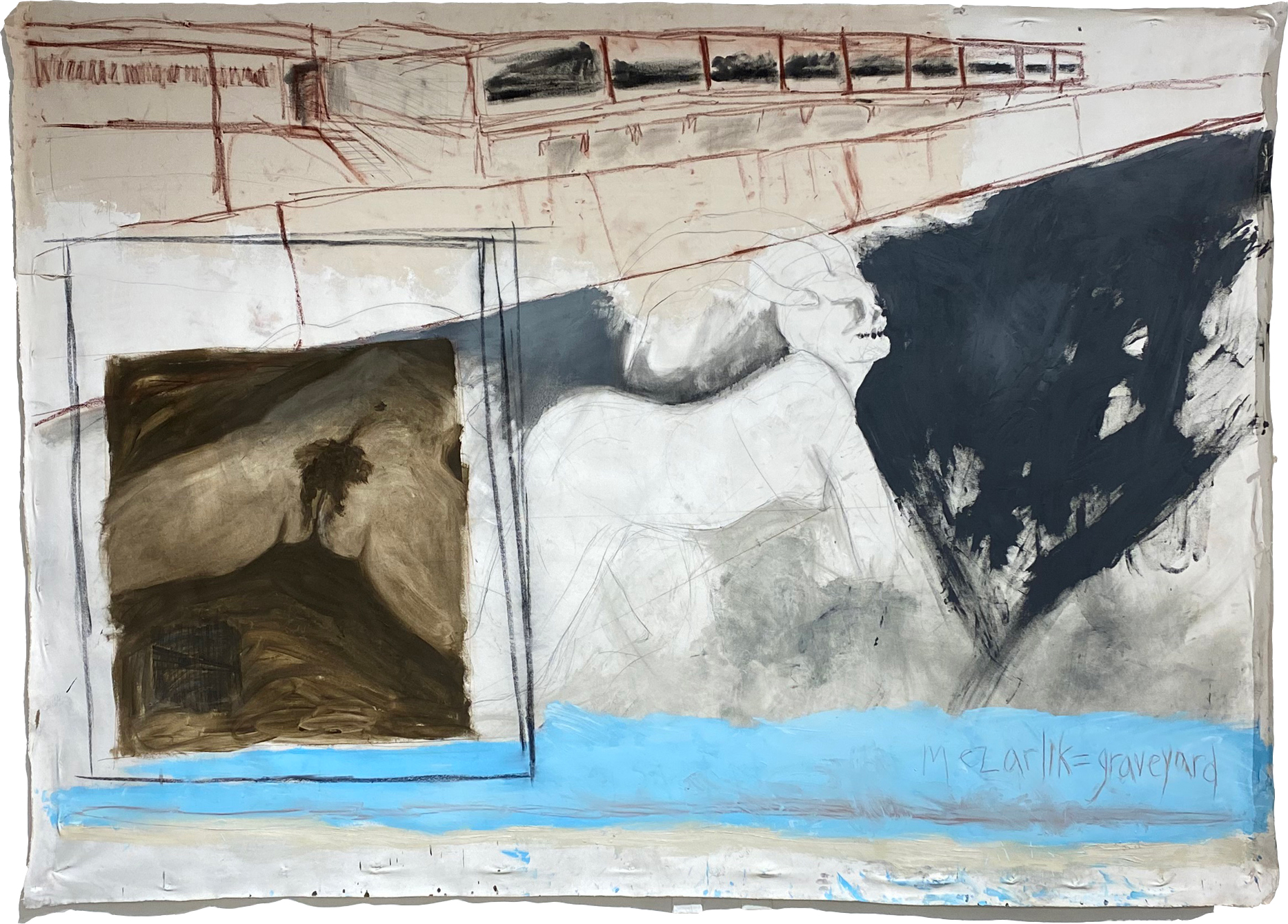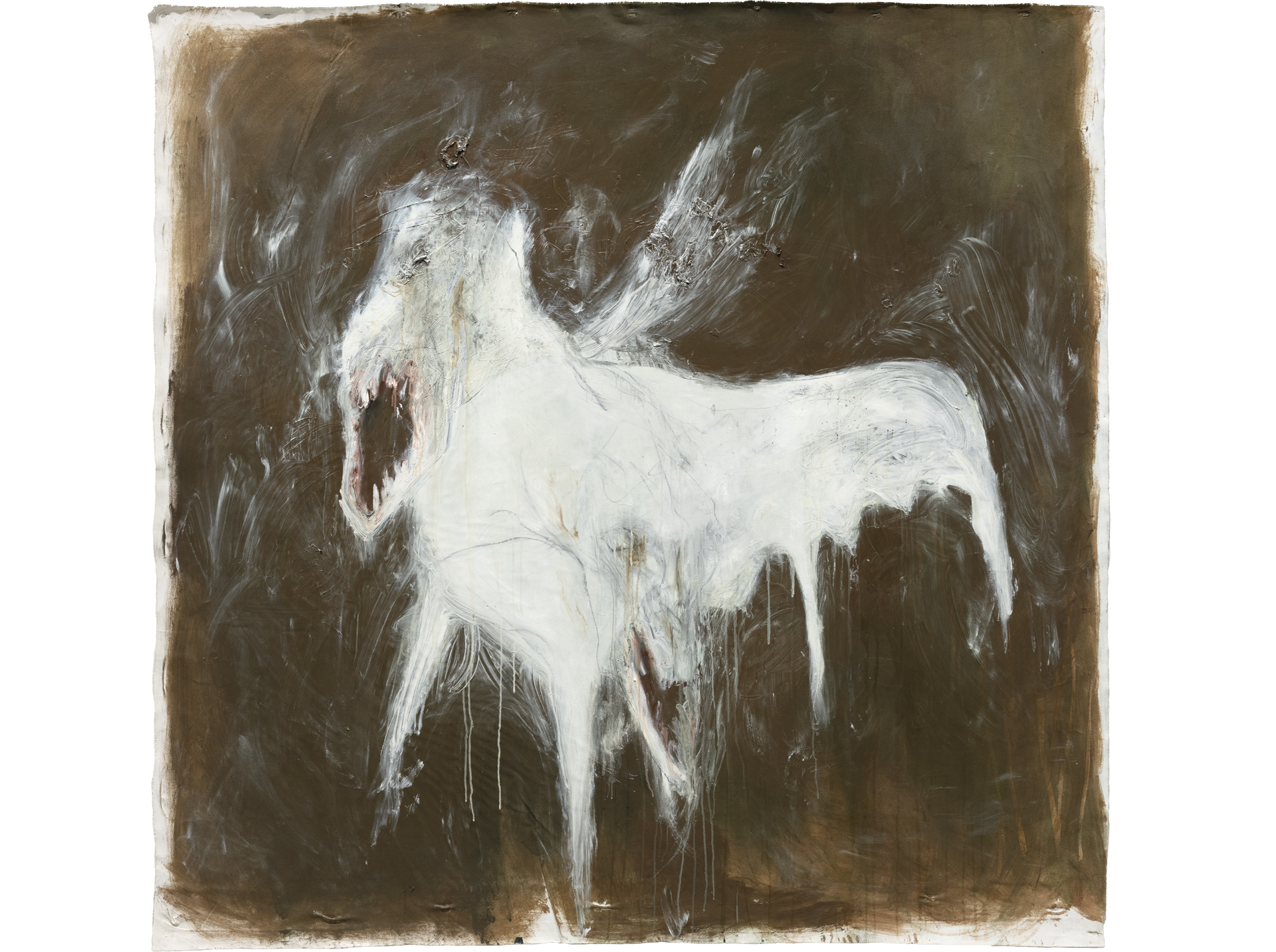
untitled, 2025, oil, medium and graphite on unstretched canvas, 83.5 x 84.5 in install + details
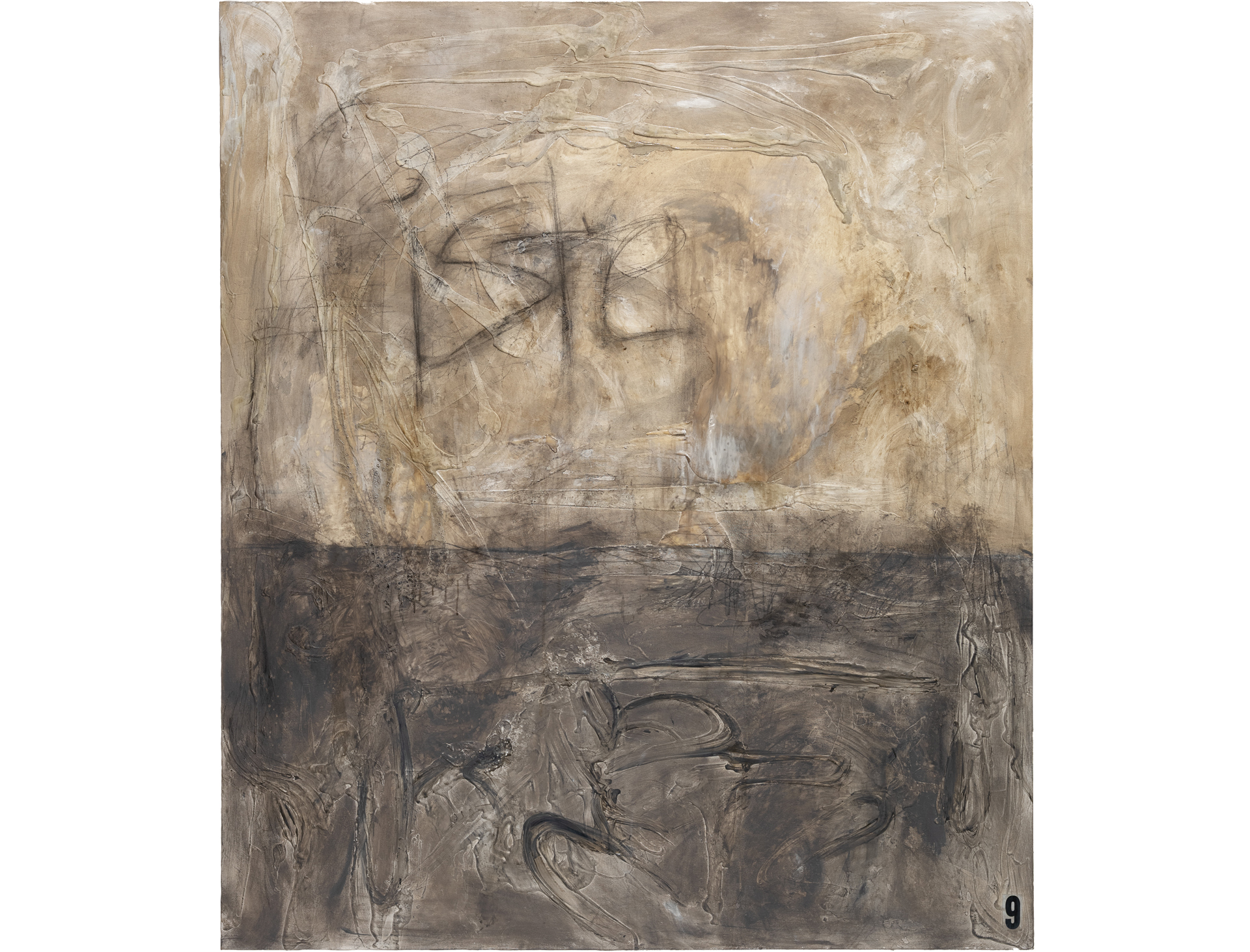
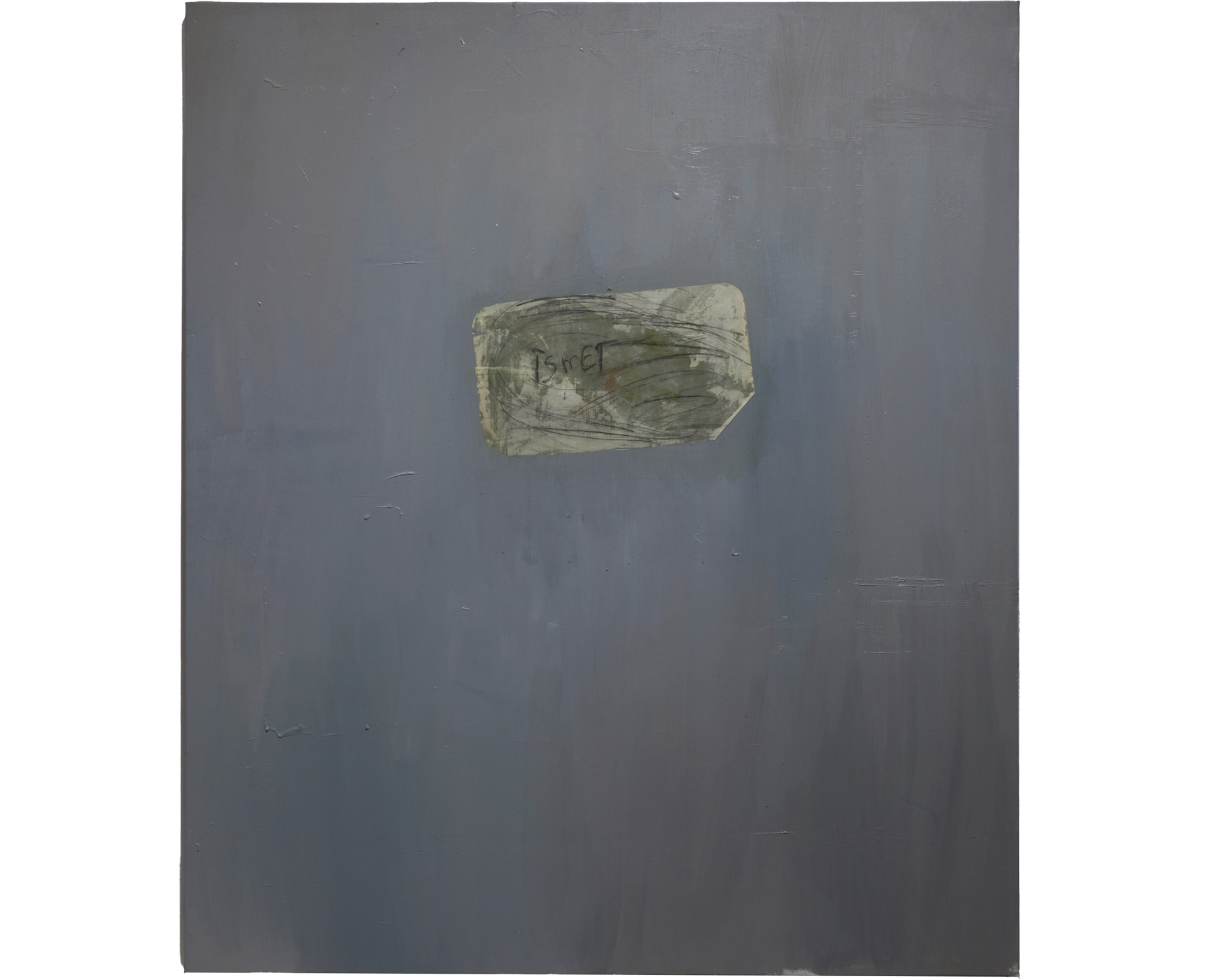
İSTE, 2025, oil, medium, graphite and charcoal on stretched canvas, 72 x 84 in install + details
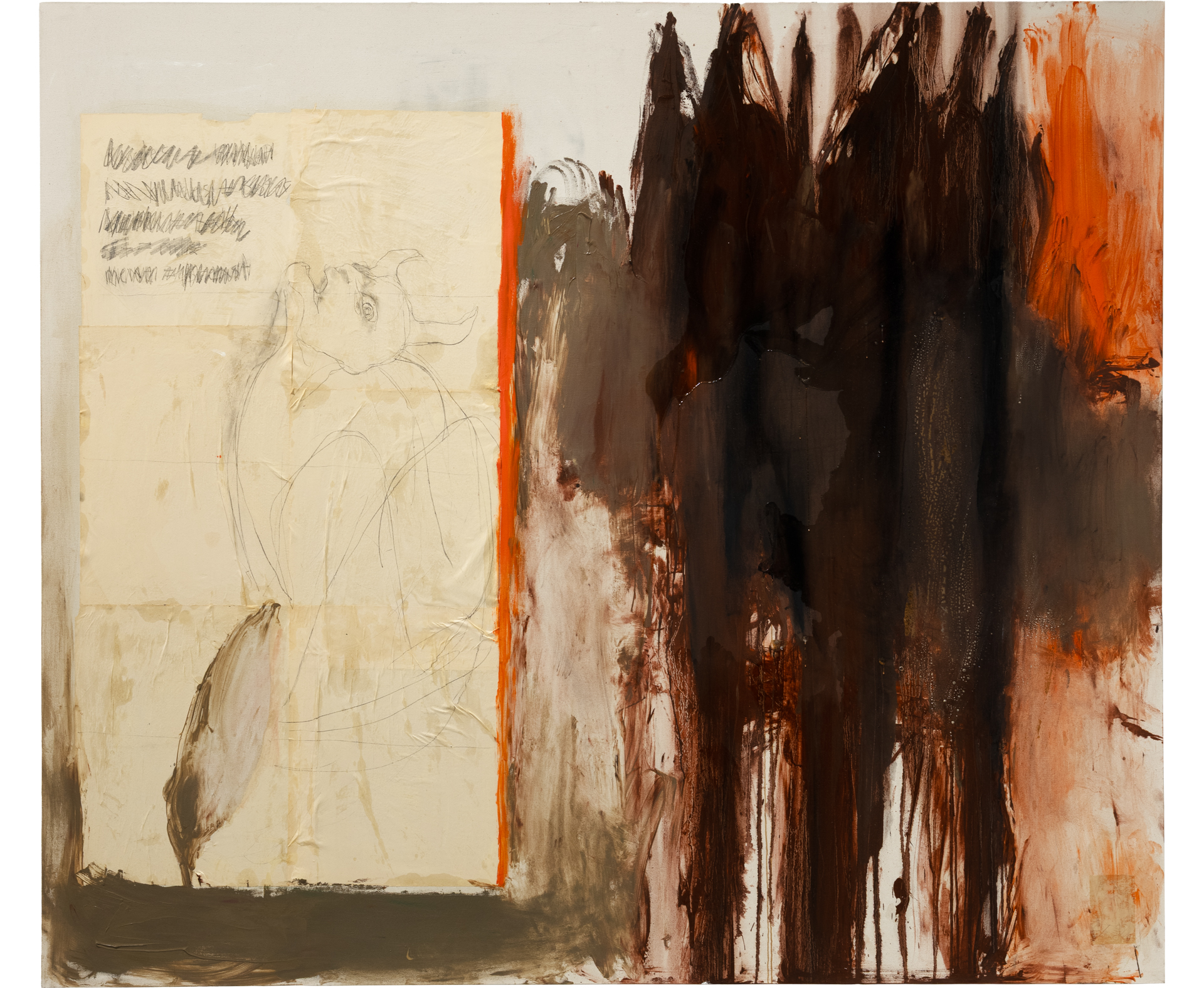
noonday, 2025, oil, medium, graphite and newsprint on stretched canvas, 84 x 96 in install + details
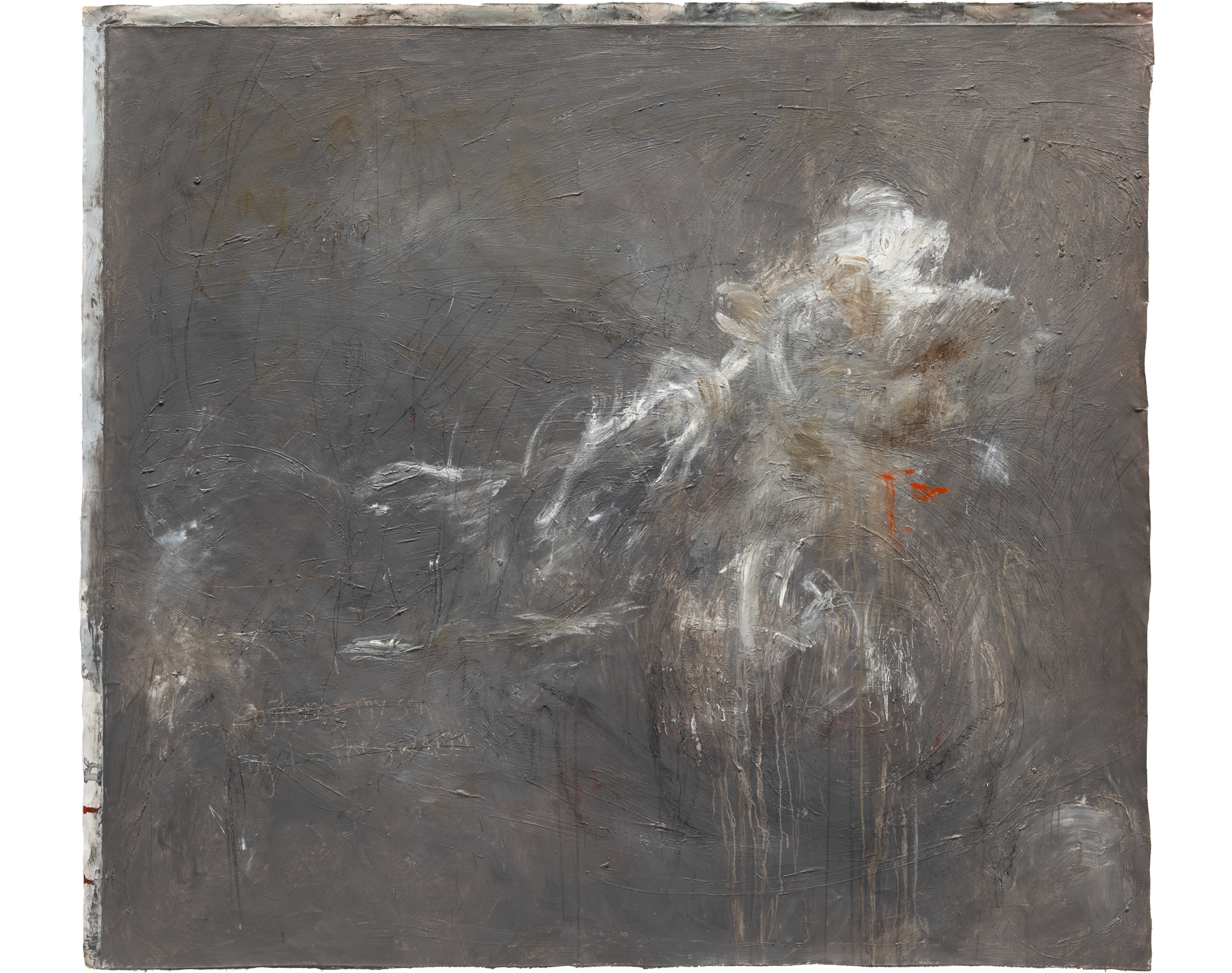
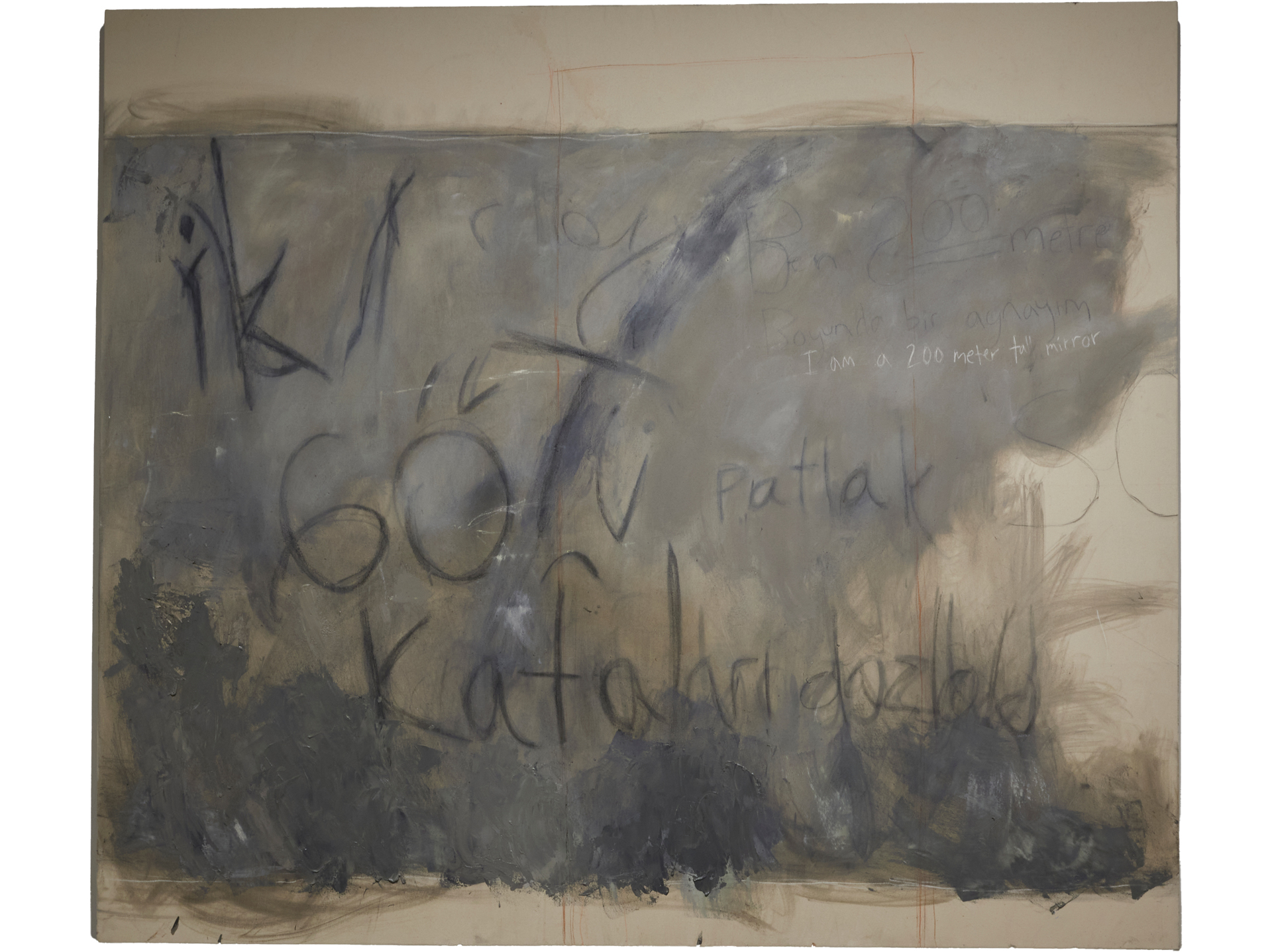
translation painting, 2025, oil, medium and graphite on unstretched canvas, 71.5 x 95.5 in install + details
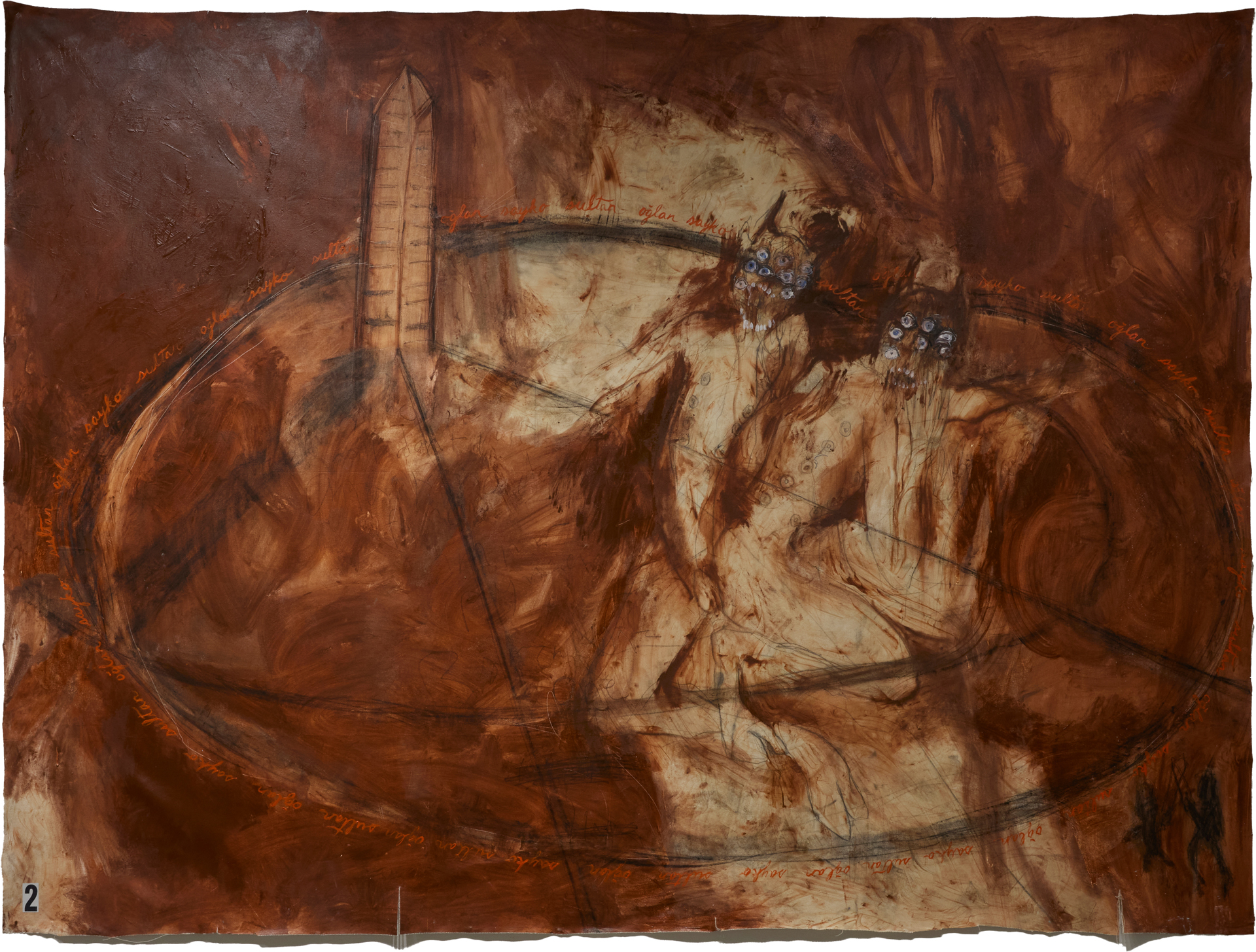
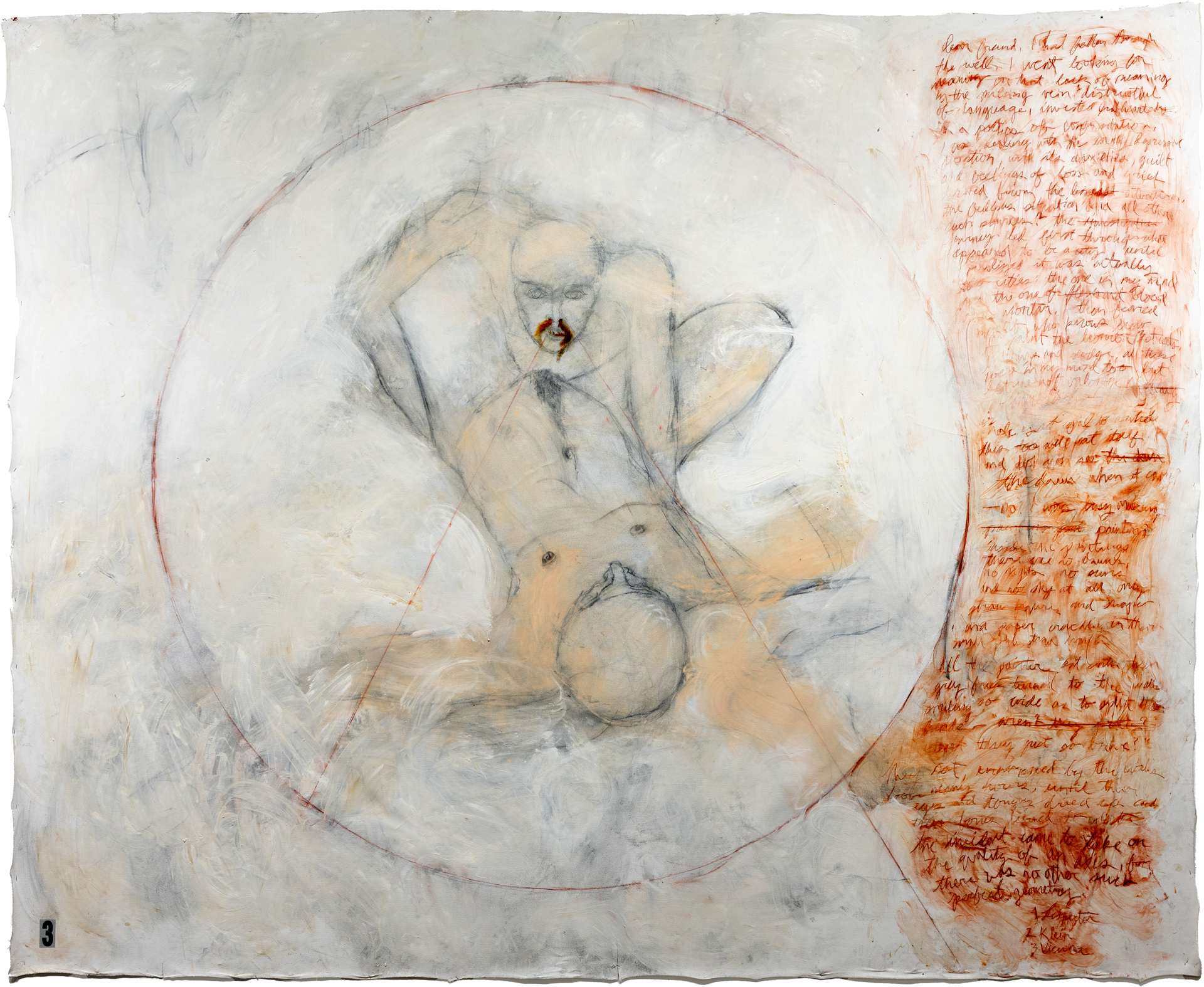
sultan / oğlan / sayko, 2025, oil on unstretched canvas, 96 x 120 in install + details
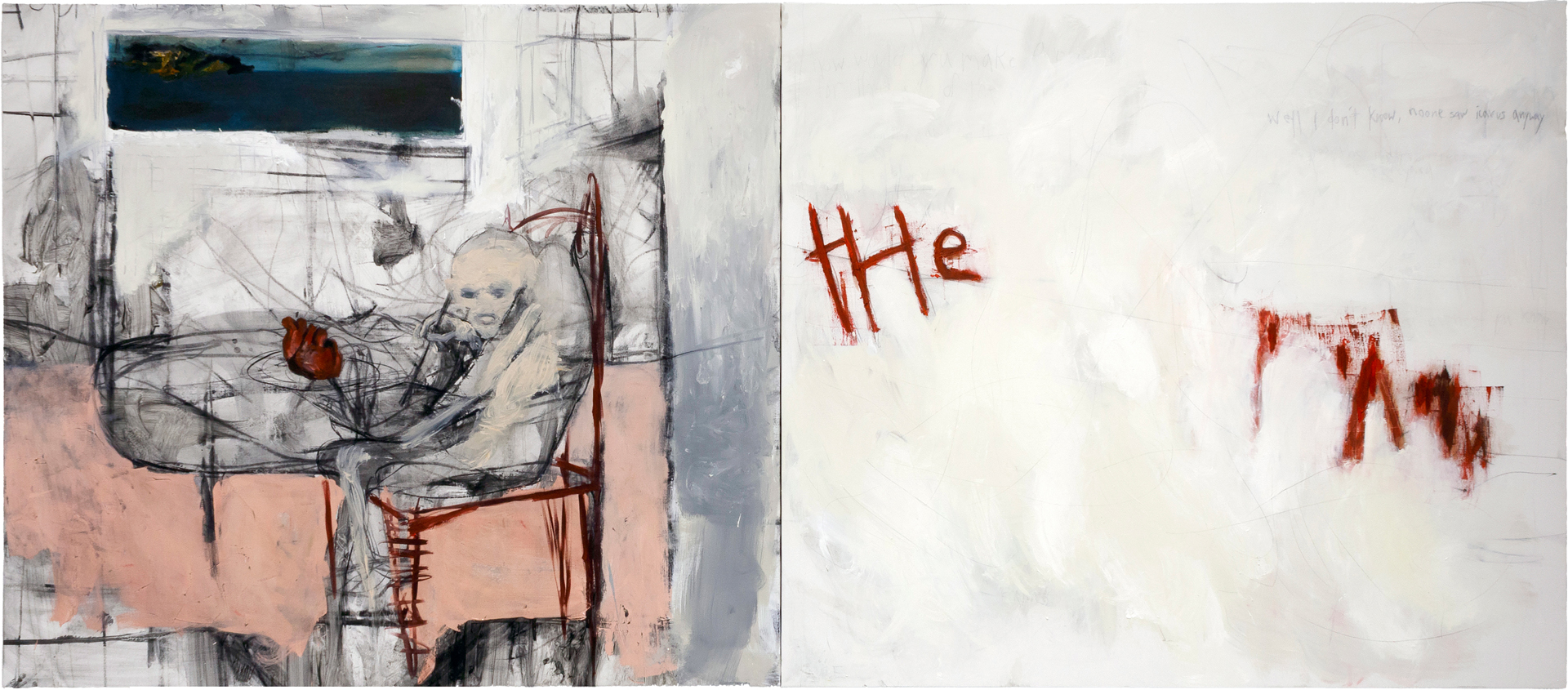
painter at the end of the world, 2024, oil on stretched canvas, 72 x 168 in install + details
Yale MFA ’26
@boy_gibi
leyla.tonak [at] gmail.com
leyla.tonak [at] yale.edu
Leyla (they/them) is a painter, writer and researcher from Nova Scotia and Istanbul. Their work explores language and translation, queerness and trans masculinity, walls and wall writings, and monsters / myths from West Asia and the Mediterranean. From 2022 to 2023 they completed a Fulbright Creative Arts project in Istanbul researching artworks about femicide. They are currently a second year Painting MFA student at the Yale School of Art.
+-+-+-+-+-+-+-+-+-+-+-+-+-+-+-+-+-+-+-+-+-+-+-+-+-+-+-+-+-+-+-+-+-+-+
Painting in terms of forces. Language is one seductive force for investigation— its acquisition and loss, (mis)translation, and multiple meanings. But painting also as a way to engage with what is outside of language, the unnameable but felt. And a space of birthing hybrids, where forms can be infinitely assembled and disassembled. Using hands, cheap oil paint, graphite, charcoal, various solvents and mediums, stretched and unstretched canvas, documents, citations and prose to meet these new species. In the process of translating and trans-ing forces, painting becomes a creature.
The creature is in conversation with the wall, or caged by it, or inside it. In public space, the wall serves as both barrier and porous surface. It is where time and elements accrue, where scrawled writings, dirt, paint layers, rust and other traces build up. It is a site of foreclosure and a record of expression and dissent. It bars things from view and creates a surface for marking presence and change. Painting to engage with the wall as ground, as language, as creature— a zone of anonymity, belonging to no one, and of public domain, belonging to everyone.
Negotiating at the scale of a wall necessitates the use of a whole body. This physical process of working something larger than oneself is muscular and tender, like a fight or an embrace. The mark making of this relationship includes smearing, scratching, peeling, pouring and oozing. These confrontations leave their echoes and residues in a variety of forms— some more text-based, others more figurative, some that are both. Guided by translation theory as a queer methodology, the anonymous public longings of duvar yazıları, Istanbul’s “wall writings” come to live alongside monsters who disrupt fixed categories of species and gender, largely drawn from West Asian and Mediterranean folklores and mythologies. While they take on different bodies, they are all manifestations of similar forces— of dread, capture, thirst. They are creatures of the same bad parents, of the same suspect archive.